


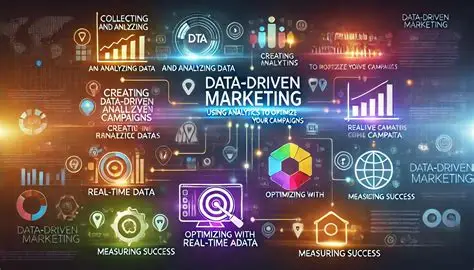
Businesses today want measurable results from their marketing efforts. Instead of guessing what works, performance marketing focuses on data, tracking, and clear outcomes. In this guide, we explain Performance Marketing Explained: Maximize ROI with Data-Driven Campaigns in a simple and practical way.
1. What Is Performance Marketing?
Performance marketing is a digital strategy where you only pay for specific results, such as clicks, leads, or sales.
Common channels:
- Search engine ads (Google Ads)
- Social media ads
- Affiliate marketing
Why it matters:
You can track every action and know exactly what you’re getting for your budget.
2. Set Clear Goals and KPIs
Before launching any campaign, define what success looks like.
Examples of goals:
- Increase website traffic
- Generate leads
- Boost sales
Key KPIs:
- Cost per click (CPC)
- Conversion rate
- Return on investment (ROI)
Why it matters:
Clear goals help you measure performance accurately.
3. Target the Right Audience
Reaching the right people is essential for success.
How to do it:
- Use demographic targeting (age, location, interests)
- Retarget website visitors
- Create custom audiences
Why it matters:
Better targeting leads to higher conversions and lower costs.
4. Use Data to Make Decisions
Performance marketing relies heavily on data analysis.
What to track:
- User behavior
- Ad performance
- Conversion data
Why it matters:
Data helps you understand what’s working and what needs improvement.
5. Optimize Campaigns Continuously
Successful campaigns are always improving.
Ways to optimize:
- Test different ad creatives
- Adjust targeting
- Improve landing pages
Why it matters:
Continuous optimization increases efficiency and results.
6. Focus on High-Converting Landing Pages
Your ads should lead to pages designed to convert visitors into customers.
Key elements:
- Clear headline
- Strong call-to-action
- Simple design
Why it matters:
A good landing page improves conversion rates and ROI.
7. Leverage Retargeting Strategies
Most users don’t convert on their first visit. Retargeting helps bring them back.
Examples:
- Showing ads to previous visitors
- Offering special discounts
Why it matters:
It increases the chances of conversion.
8. Manage Your Budget Wisely
Start with a small budget and scale based on results.
Tips:
- Invest more in high-performing campaigns
- Reduce spending on low-performing ones
Why it matters:
Efficient budget use maximizes ROI.
9. Use Automation Tools
Automation tools can help manage and optimize campaigns more efficiently.
Examples:
- Automated bidding
- Campaign scheduling
- Performance tracking tools
Why it matters:
It saves time and improves accuracy.
10. Measure and Report Results
Regular reporting helps you understand overall performance.
Important metrics:
- ROI
- Cost per acquisition (CPA)
- Customer lifetime value (CLV)
Why it matters:
It ensures your campaigns are delivering real business value.
Conclusion
Understanding Performance Marketing Explained: Maximize ROI with Data-Driven Campaigns allows businesses to make smarter decisions and achieve better results. By focusing on data, targeting the right audience, and continuously optimizing campaigns, you can maximize your return on investment.
Performance marketing is all about measurable success, making it one of the most effective strategies for business growth in 2026.